Moving commodities across the land network.
Keystone Logistics supports land-based distribution by connecting terminal operations with road and railway transportation arrangements. Through strategic partnerships, the company can support the movement of suitable oil and liquid commodities beyond the terminal toward regional, industrial and commercial destinations.
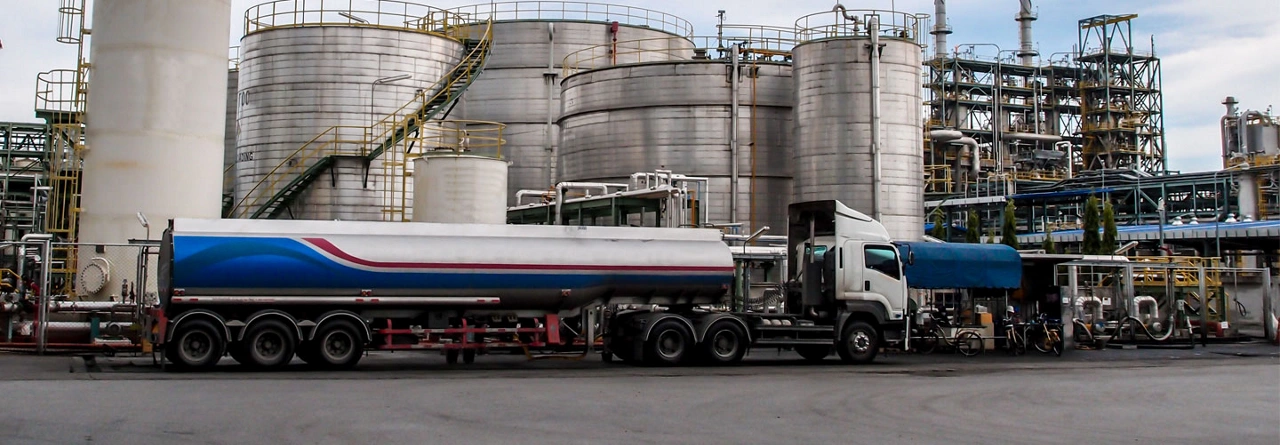
From storage to the road.
The terminal is only one part of the journey.
Oil and liquid commodities may need to travel well beyond the terminal where they are stored. Land transportation provides the connection between storage infrastructure and destinations that depend on reliable commodity distribution.
Keystone Logistics supports this requirement through transportation arrangements involving both road and railway networks, where appropriate infrastructure, commercial requirements and strategic partnerships make these modes suitable.
The result is a broader distribution capability built around flexibility rather than dependence on a single transportation route.
Road for flexibility. Rail for scale.
Truck and railway transportation serve different distribution requirements. Together, they provide complementary options for moving commodities from terminal infrastructure toward their intended destinations.
Truck distribution brings the terminal closer to the destination.
Tank trucks provide a flexible land-based transportation option for moving suitable liquid commodities from storage facilities to customers, industrial sites and other designated destinations.
Road movements can be coordinated around terminal availability, collection schedules and destination requirements.
Rail distribution supports longer-distance commodity movement.
Rail transportation can provide an efficient connection for suitable commodities moving over longer land-based distances where appropriate rail infrastructure and terminal access are available.
Railway movements can also complement road transportation by extending the geographical reach of a distribution network.
Extending commodity movement beyond the immediate market.
Railway transportation offers a distinct distribution channel for commodities that need to travel across broader land networks. Where suitable rail infrastructure is accessible, rail can complement terminal storage and road transportation by creating another connection between origin and destination.
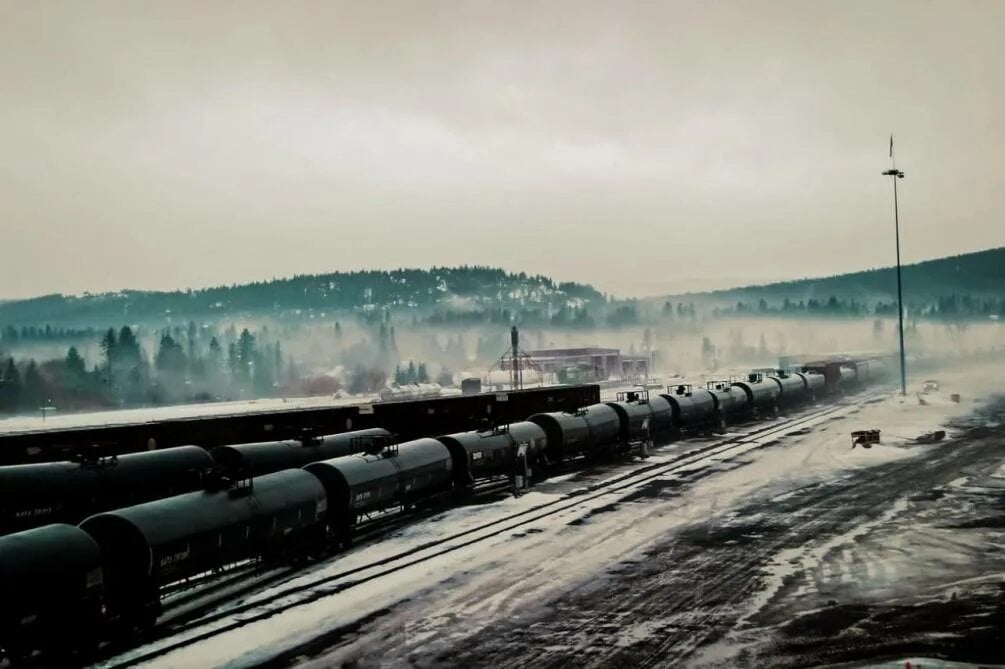
A different operating rhythm, built around rail.
Effective railway transportation depends on access to appropriate rail infrastructure, terminal interfaces and transportation partners capable of supporting the required commodity movement.
Rail movements require coordination of available equipment, loading or receiving arrangements, schedules and destination requirements.
The connection between rail transportation and terminal operations must be managed carefully to support an orderly transfer of the commodity.
Rail can expand the geographical reach of terminal distribution where compatible infrastructure and commercial requirements support its use.
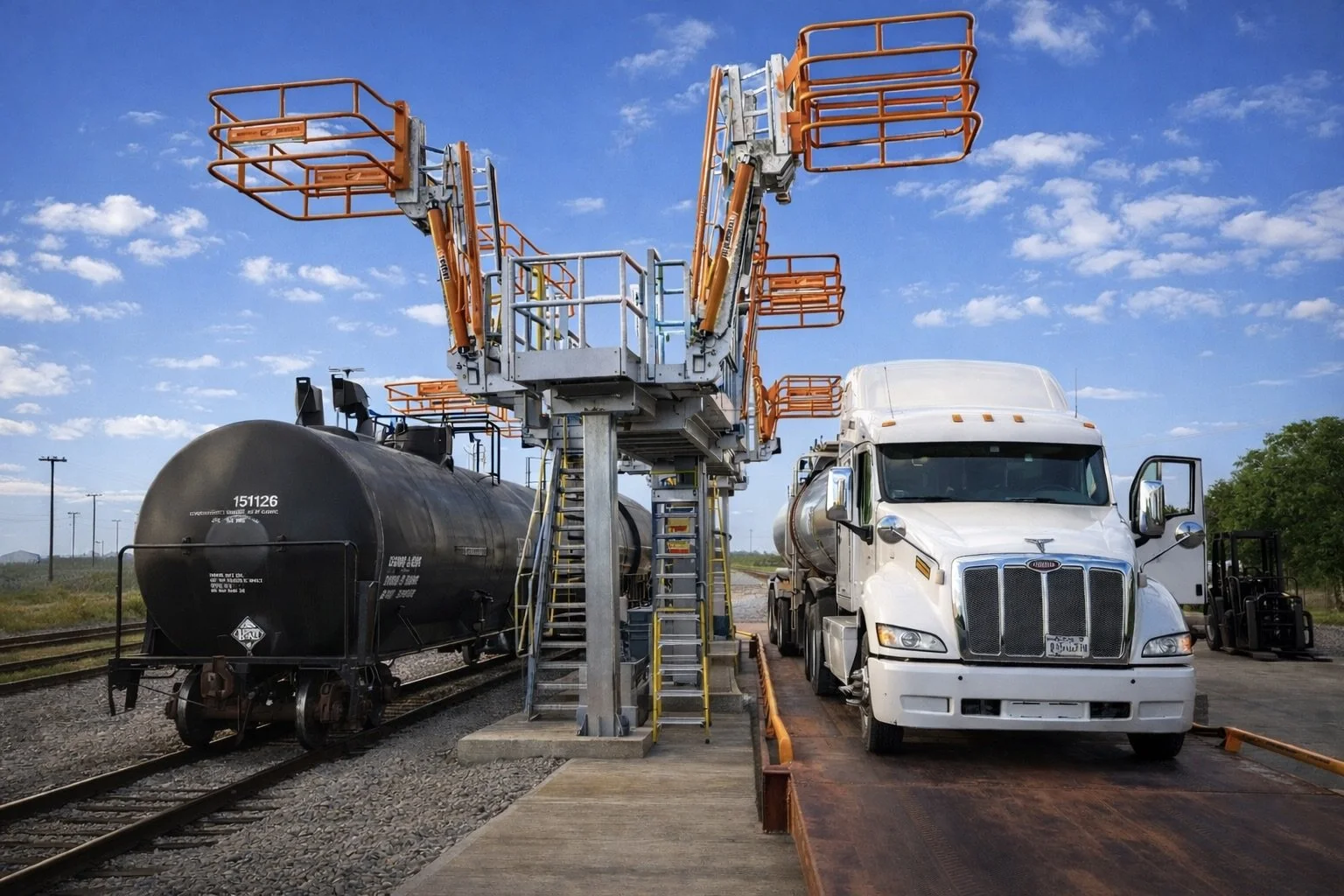
Flexible enough for the final connection.
Truck transportation provides a direct and adaptable distribution option for suitable commodities. It can connect storage terminals with destinations that are not directly served by rail or pipeline infrastructure.
Truck movements can be coordinated with terminal operating schedules and applicable loading arrangements.
Road transportation provides access to a broad range of industrial, commercial and regional destinations.
Transportation schedules can be aligned with receiving requirements to support dependable commodity delivery.
Road networks can provide flexibility where fixed infrastructure connections do not extend directly to the intended destination.
One storage platform. Multiple ways to reach the market.
Keystone Logistics combines its oil storage role with strategic transportation relationships to support different distribution requirements. Truck and railway transportation can provide complementary pathways for moving suitable commodities beyond the terminal.
The most appropriate transportation mode depends on commodity characteristics, destination, distance, infrastructure availability, scheduling requirements and commercial considerations. Keystone Logistics supports this broader logistics perspective through strategic partnerships and coordinated transportation arrangements.
Strengthening the land distribution network.
Keystone Logistics is an oil storage company that works with strategic partners to enhance the transportation capability surrounding its storage operations. These relationships can provide access to complementary truck, railway and logistics resources where appropriate.
From terminal storage to the wider market.
Through road and railway transportation arrangements, Keystone Logistics supports the onward distribution of suitable commodities while maintaining the flexibility required across changing logistics requirements.